larrypoe
Banned
Registered: Jan 2006
Location: bronaugh,MO
Posts: 2595 |
Im betting 99.9% of not only the people on here but the public in general, have absolutely no clue what a titer level is.
I wouldnt either, had I not been responsible for not only the collection of blood samples and giving all vaccinations to a 3800 sow farm, but was responsible for reading those tests and setting up vaccinations schedules with the company vet and vaccine producer (Intervet).
That was my job for 8 years, and I expected to know what I (and they) were talking about when they came by or called. I spent those 8 years getting an education in pathology from some of the best in the country.
There are several ways to raise the titer level in a subject, 2 major ones are exposure to the disease and vaccinations. In essence when giving a vaccination, you are exposing to the disease in a way that the bodys immune system can react (and therefor build up immunity) with less risk of "catching" the disease.
Think of it as getting just a minor case of chicken pox. Most are immune from then on. Your body beats the disease and multiplies the antibodies to it to a level where you are not at risk again.
Then there are modified live viruses. Think of back in the day of small pox. Milk maids, who milked by hand and were exposed to cow pox, were immune to small pox. The same antibodies that beat the cowpox immunized them against small pox.
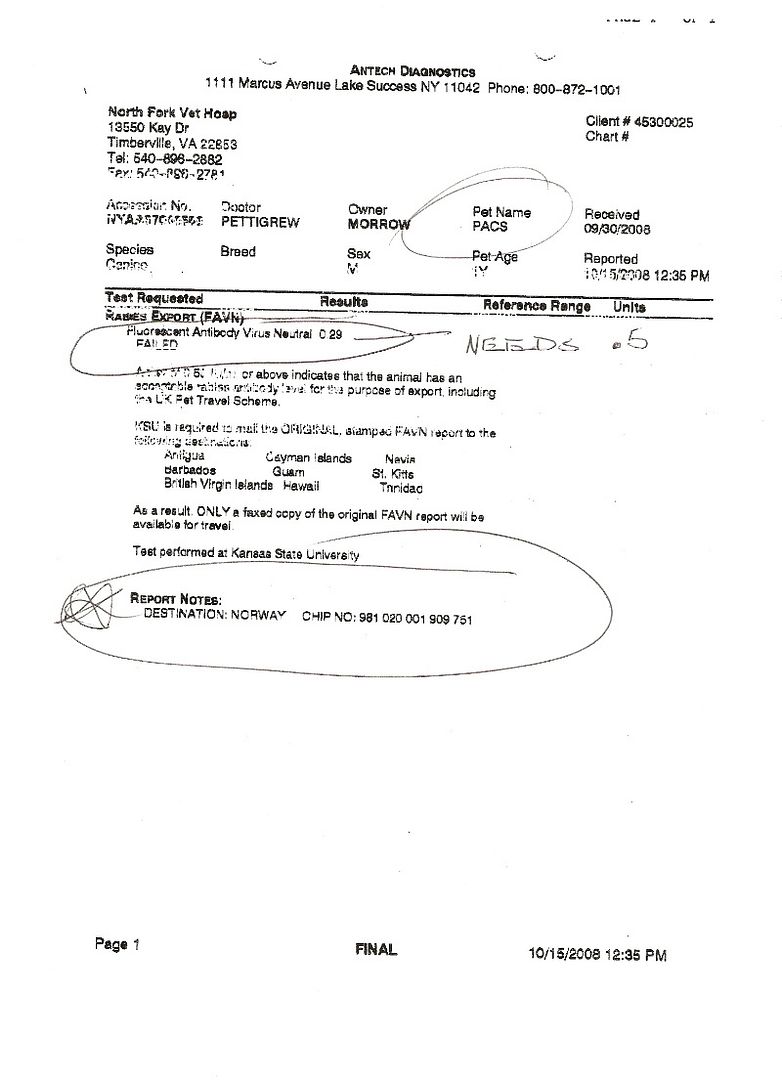
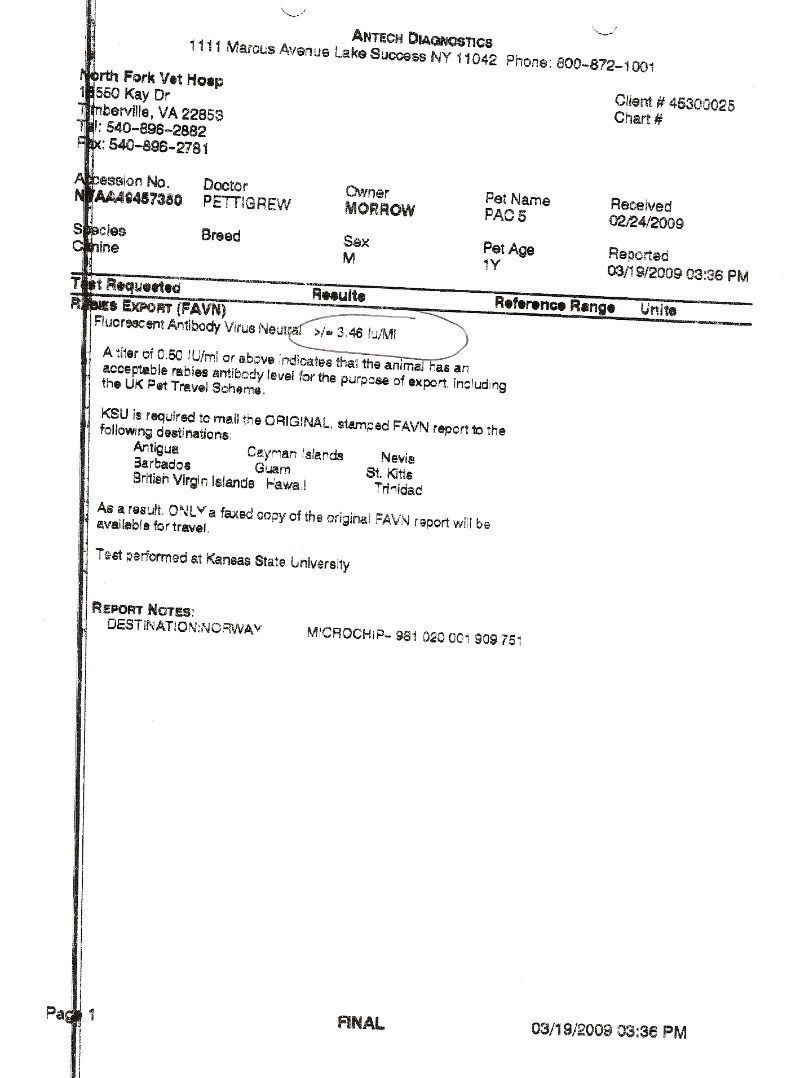
Titer levels are a decent way to check the effectiveness of an immunization schedules, but there not the holy grail. 2 subjects given the same vaccinations at the same times can and will have major swings in titer levels. No 2 immune systems are alike.
A high titer level can also mean more exposure to the same disease.
__________________
GRNTCH GRCH ROBINSONS ENGLISH LOOSER
RIP Loose
Report this post to a moderator | IP: Logged
|





 10-07-2009 03:41 PM